
.svg)
PaVe-GT
Platform Vector Gene Therapy
Advancing Rare Disease Gene Therapies Through Transparent, Scalable Platform Design

Impact at a Glance
40%
35%
50+
100%
4
NCATS
Executive Summary
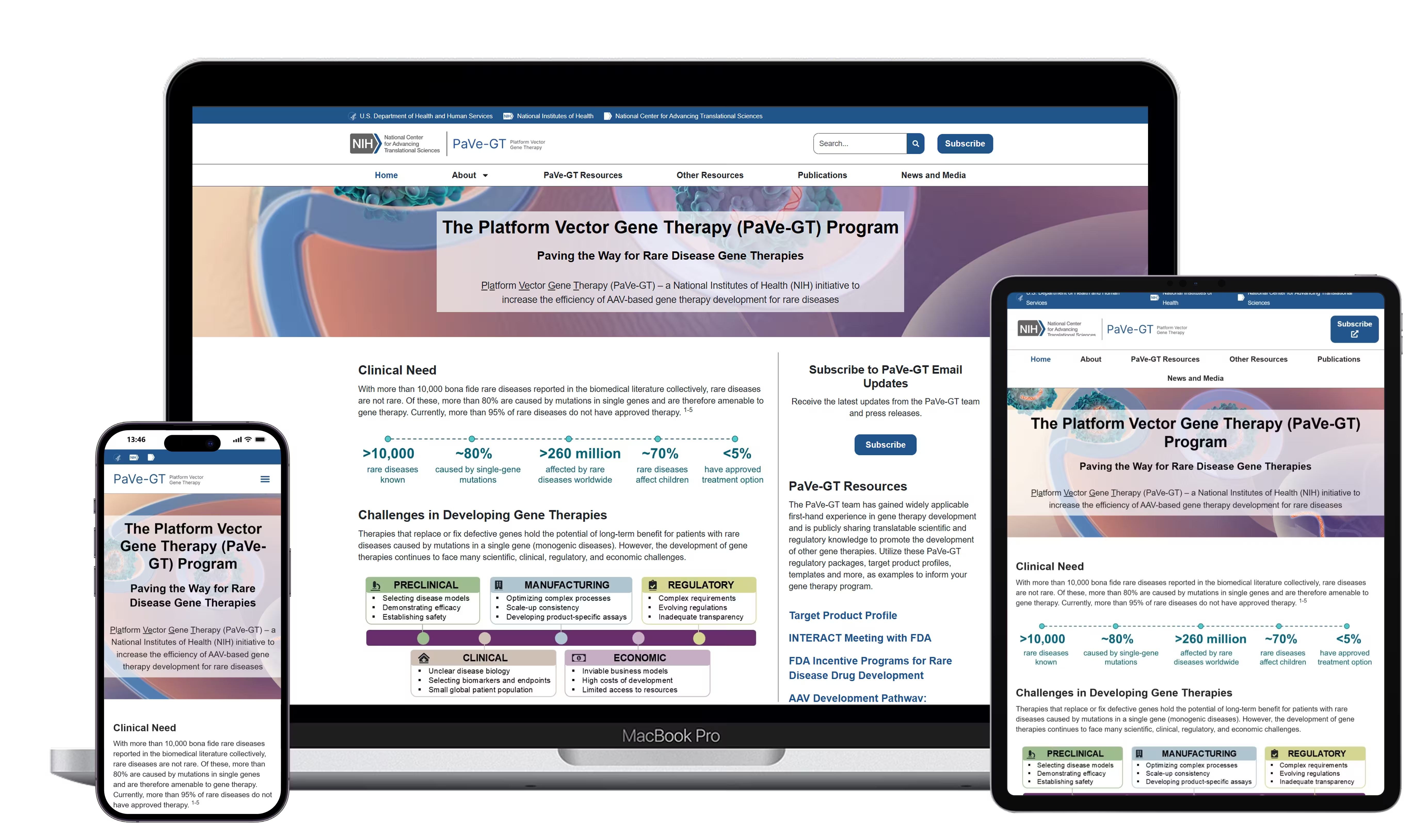
PaVe-GT is an NIH-led pilot initiative designed to accelerate gene therapy development for ultra-rare diseases using a shared AAV vector system and standardized manufacturing processes.
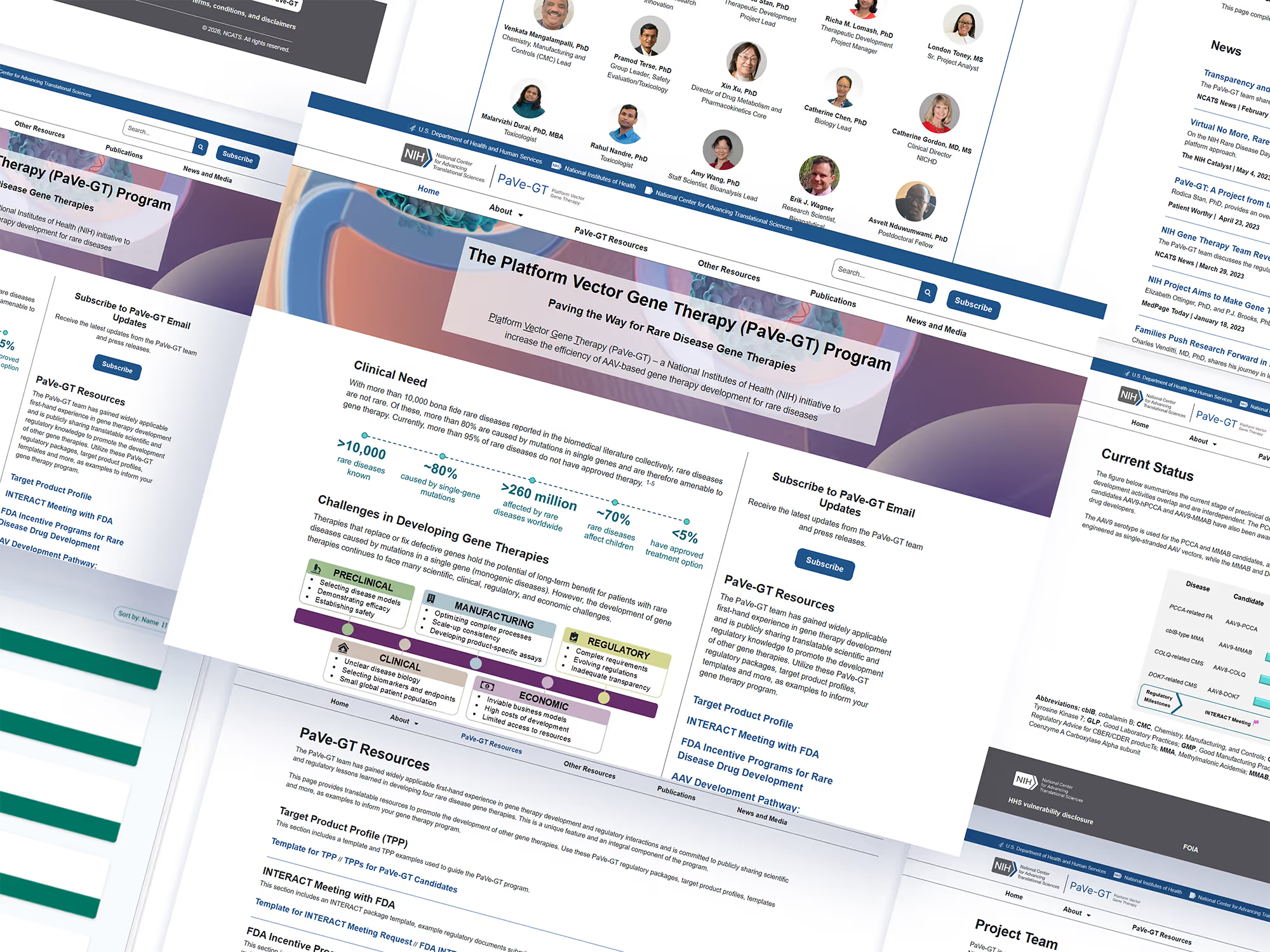
While scientifically innovative, the initiative also required a new digital transparency model — one that openly published regulatory documentation, IND templates, and FDA communications to reduce duplication and accelerate future programs.
The engagement focused on designing a structured, accessible platform that could serve researchers, patients, healthcare professionals, and policy stakeholders — without compromising scientific rigor.
THE Problem
Approximately 10,000 rare diseases affect 30 million Americans, yet only 5% have FDA-approved treatments.
The scientific breakthrough required an equally strong communication and systems solution.
For ultra-rare diseases, barriers often include:
High operational costs
Regulatory complexity
Redundant preclinical processes
Limited knowledge sharing
Design Challenge
How might we create a transparent, accessible platform that communicates highly complex regulatory content while supporting multiple audiences with vastly different levels of expertise?
My Role as Lead Designer & UX/UI Manager
I led UX strategy and execution from discovery through full launch, balancing scientific precision, public accessibility, and federal compliance requirements.
Leadership Responsibilities
Defined platform UX vision and success criteria
Led stakeholder alignment across multiple NIH institutes
Established information architecture and content governance
Oversaw Section 508 and WCAG compliance
Guided research synthesis and validation
Reviewed and refined wireframes, prototypes, and UI systems
Managed cross-functional collaboration and delivery timelines
I served as the connector between translational science, regulatory communication, and user-centered design.

Discovery & Research
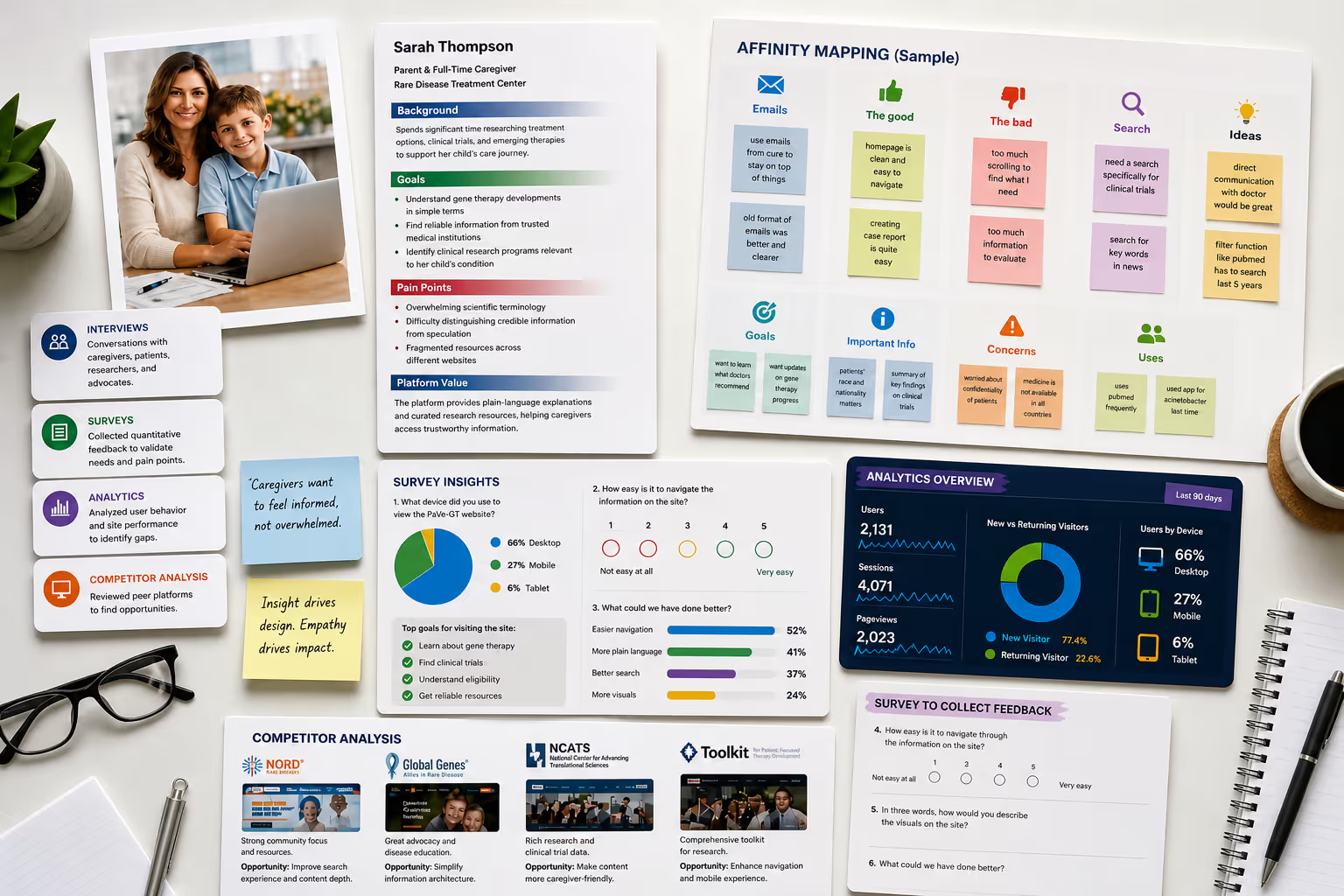
To design an effective transparency model, we grounded the platform in research and translational science analysis.
KEY Insight
The challenge was not content volume — it was structured clarity.
01
Researchers needed faster access to regulatory templates
02
Patients required plain-language clarity without oversimplification

03
Terminology confusion created cognitive friction
04
Time constraints were significant across professional users
05
Transparency increased trust across stakeholder groups
UX Strategy & System Framing
We aligned on a strategy centered around transparency, progressive disclosure, and structured knowledge sharing.
This strategy guided both architectural decisions and UI system design.

Strategy 1
Make regulatory documentation discoverable and reusable
Strategy 2
Support dual-level content (technical + plain language)
Strategy 3
Reduce cognitive overload through structured taxonomy
Strategy 4
Embed accessibility as a baseline standard
Strategy 5
Design reusable components for long-term scalability
Information Architecture & Platform Structure
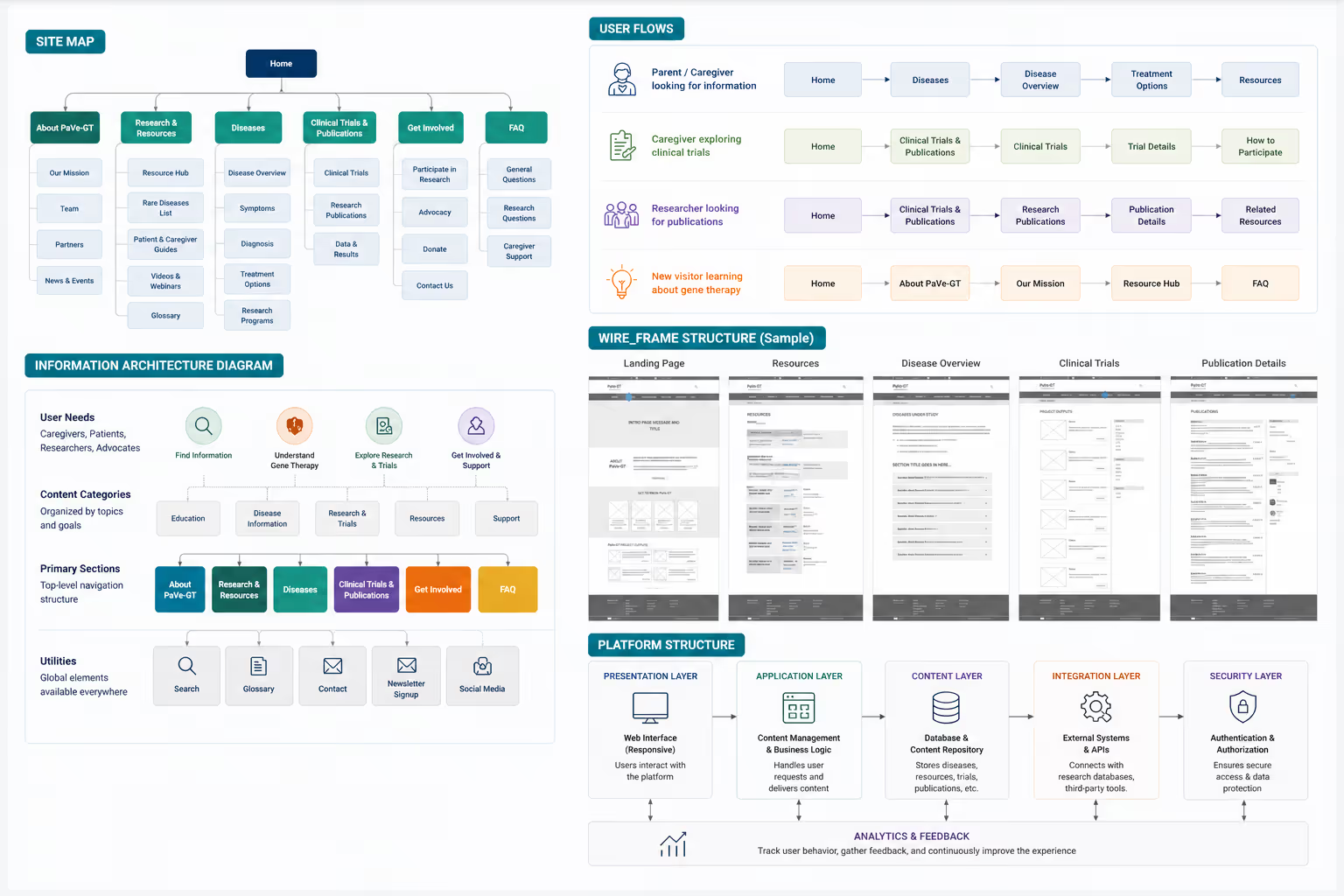
We structured the platform around clear content categories and user pathways.
Outcomes
Designed to bring structure and clarity to complex scientific content at scale.
Unified navigation organized around content, not user roles
Clear top-level structure for intuitive orientation
Centralized access to regulatory resources and templates
Logical grouping of scientific and program content
Progressive depth from overview to detailed documentation
Scalable structure supporting future content expansion
Interaction Design & Content Simplification
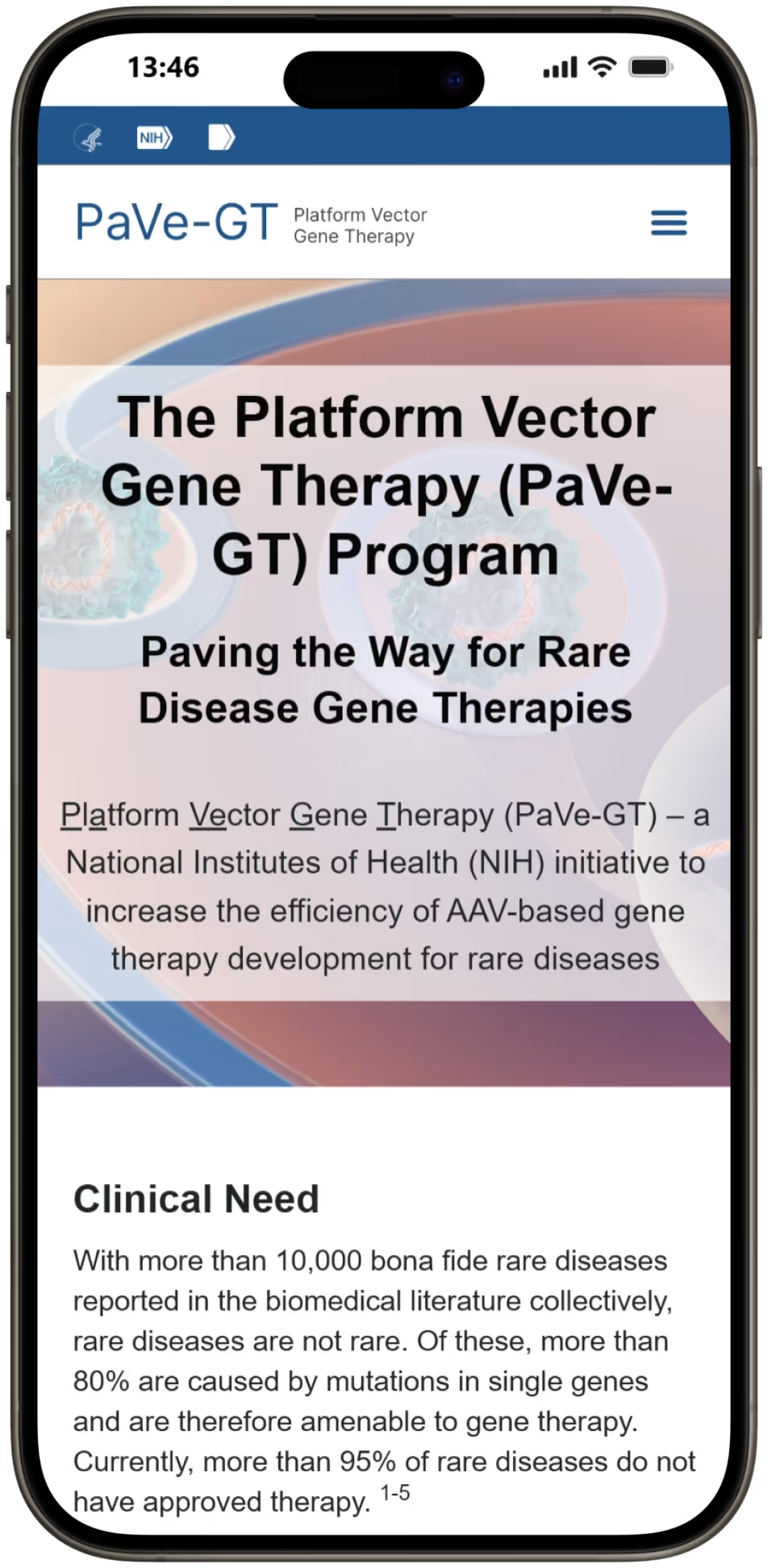
With structure in place, we translated scientific content into guided, accessible interfaces.
Deliverables
Low- and mid-fidelity wireframes
Document filtering and categorization systems
Progressive disclosure patterns
Plain-language summaries alongside technical artifacts
Mobile-responsive layouts
Design Focus
Surface complexity without overwhelming.
Preserve scientific integrity while increasing usability.
Design System & Accessibility Foundation
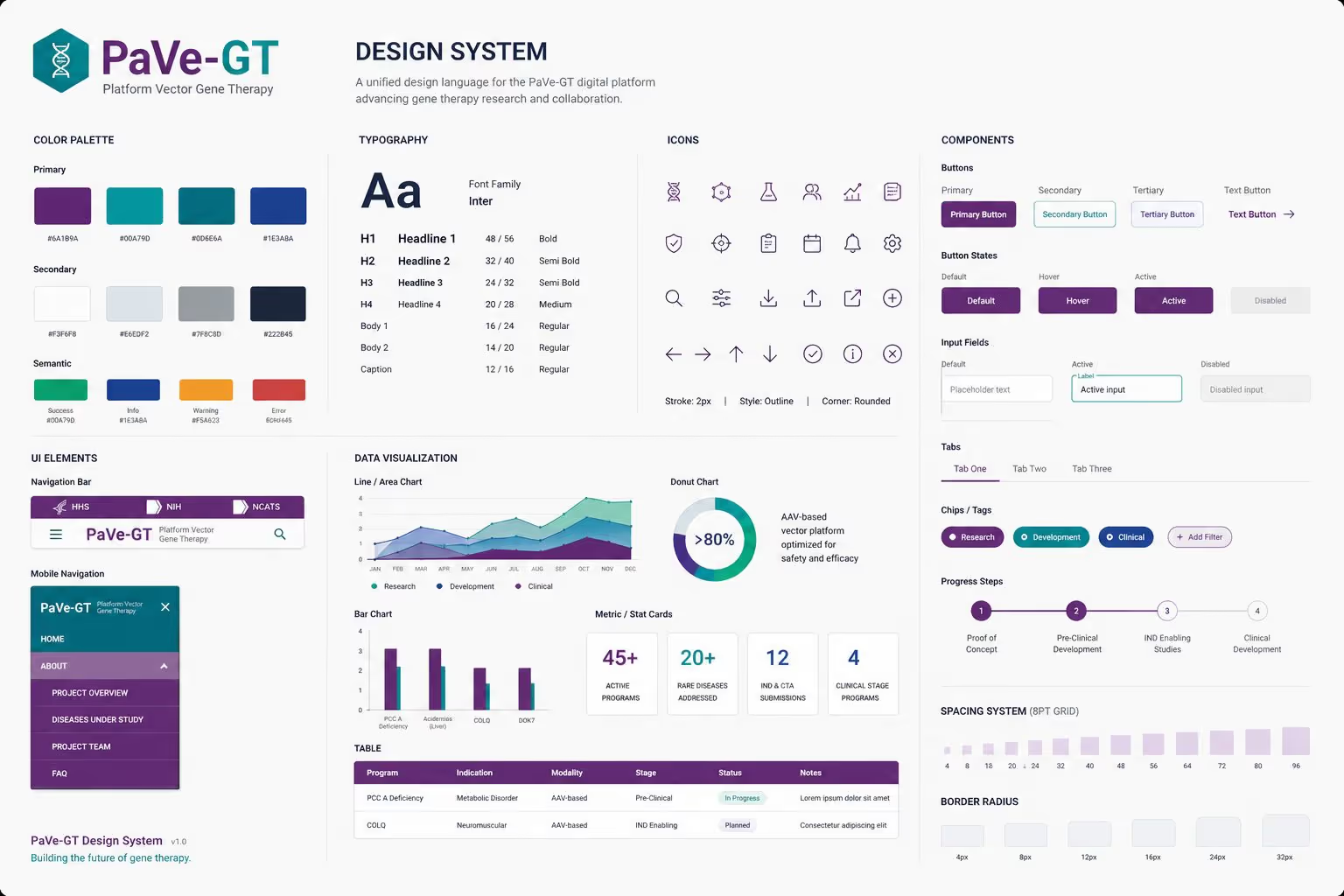
We developed a professional federal design system built around clarity and compliance.
Core Components
Reusable UI components
Structured document taxonomy
Accessible color and contrast standards
Responsive layout framework
Keyboard and screen reader compatibility
Impact
A scalable IA model that allowed both expert and non-expert audiences to navigate complex documentation with clarity.
Iteration & Launch
The platform evolved through structured phases.
Months 1–2
Discovery
Research synthesis and stakeholder alignment.
Months 2–3
Architecture
Defined navigation, taxonomy, and regulatory structure.
Months 3–5
UI & System Design
Built design system and validated accessibility.
Month 6
Beta Launch (Feb 2020)
Released beta version and implemented analytics.
Months 6–8
Refinement
Enhanced filtering, expanded FAQs, optimized mobile.
Month 8
Full Launch (June 2020)
Public release recognized as an innovative NIH initiative.
Outcomes & Organizational Impact
The PaVe-GT platform delivered measurable impact:
This was not just a digital launch — it was a structural shift in how gene therapy knowledge is shared.
What This Work Demonstrates
This project reflects my ability to
Lead UX strategy in highly regulated scientific environments
Translate complex technical content into accessible systems
Align multiple federal institutes under one digital vision
Balance transparency, compliance, and usability
Build scalable design foundations for long-term impact

By combining structured information architecture, accessibility-first design, and collaborative governance, PaVe-GT became a transparent, scalable platform that accelerates rare disease research while serving both scientific and public audiences.

If you're building complex platforms, modernizing systems, or strengthening UX leadership, I'd welcome connecting.
