
.svg)
HiTS
High Throughput Screening
Transforming Drug Discovery into a Scalable, High-Throughput Screening Platform
Impact at a Glance
16+
~40–60%
~30%
~50%
~35%
3
Improved
Executive Summary
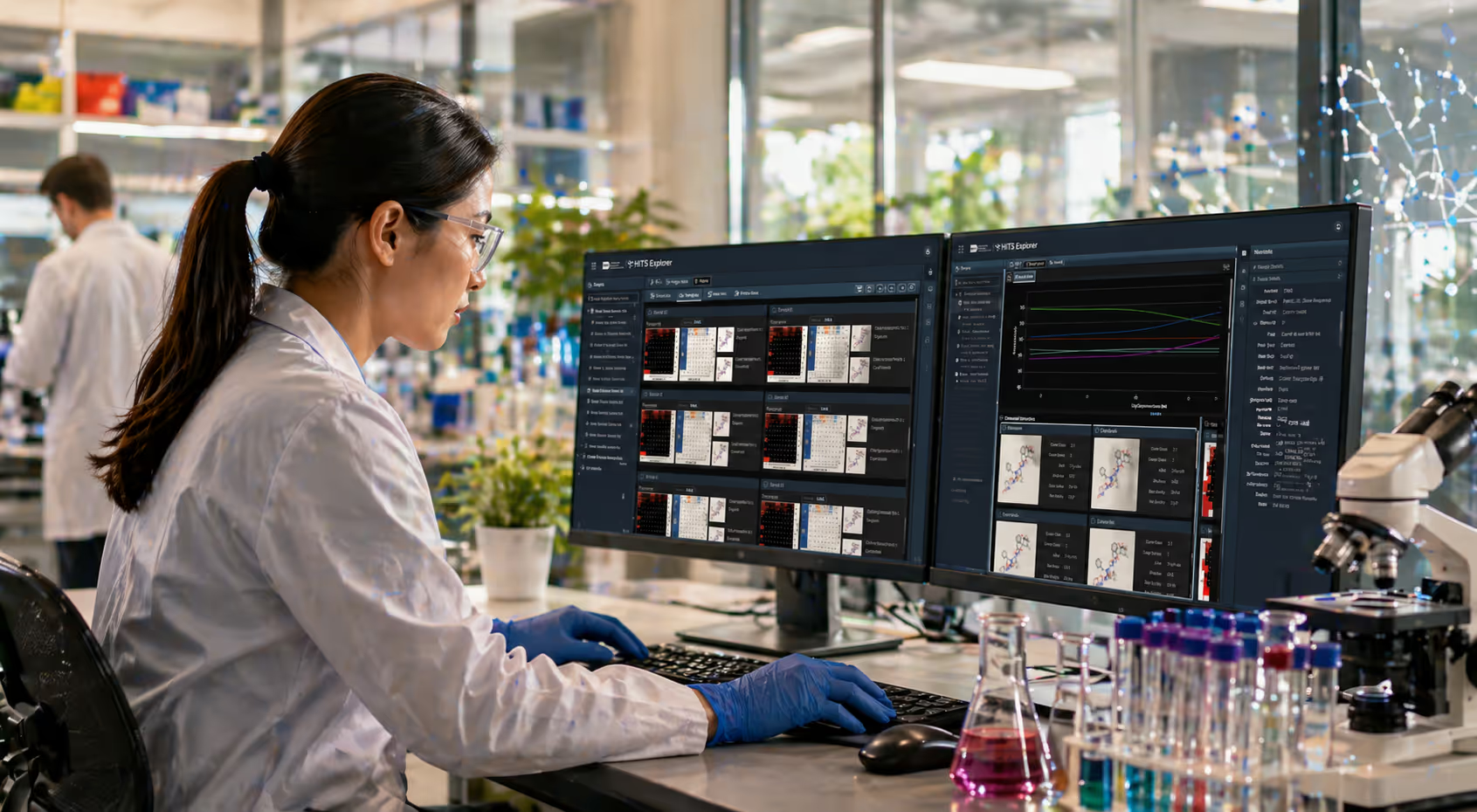
The HiTS platform was designed to modernize how NCATS researchers conduct high-throughput drug screening and matrix-based experiments.
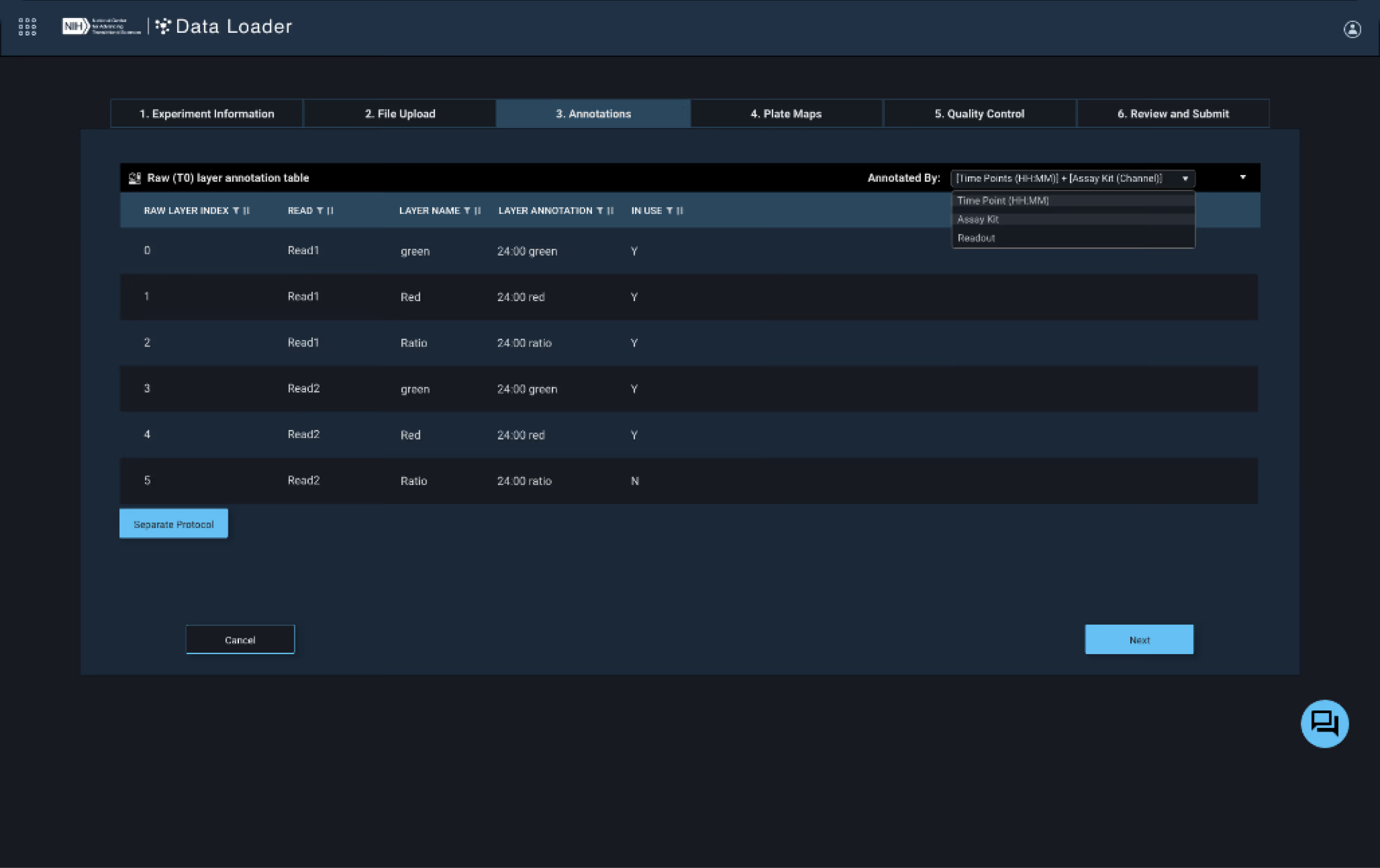
Legacy tools created inefficiencies, inconsistencies, and barriers to scaling scientific workflows.
Over a multi-year engagement, I led the transformation of HiTS into a unified, modular platform that supports the full screening lifecycle — from experiment setup to data processing and analysis.
This was not a UI redesign —it was a platform consolidation and product transformation with measurable improvements in usability, efficiency, and scalability.
THE Problem
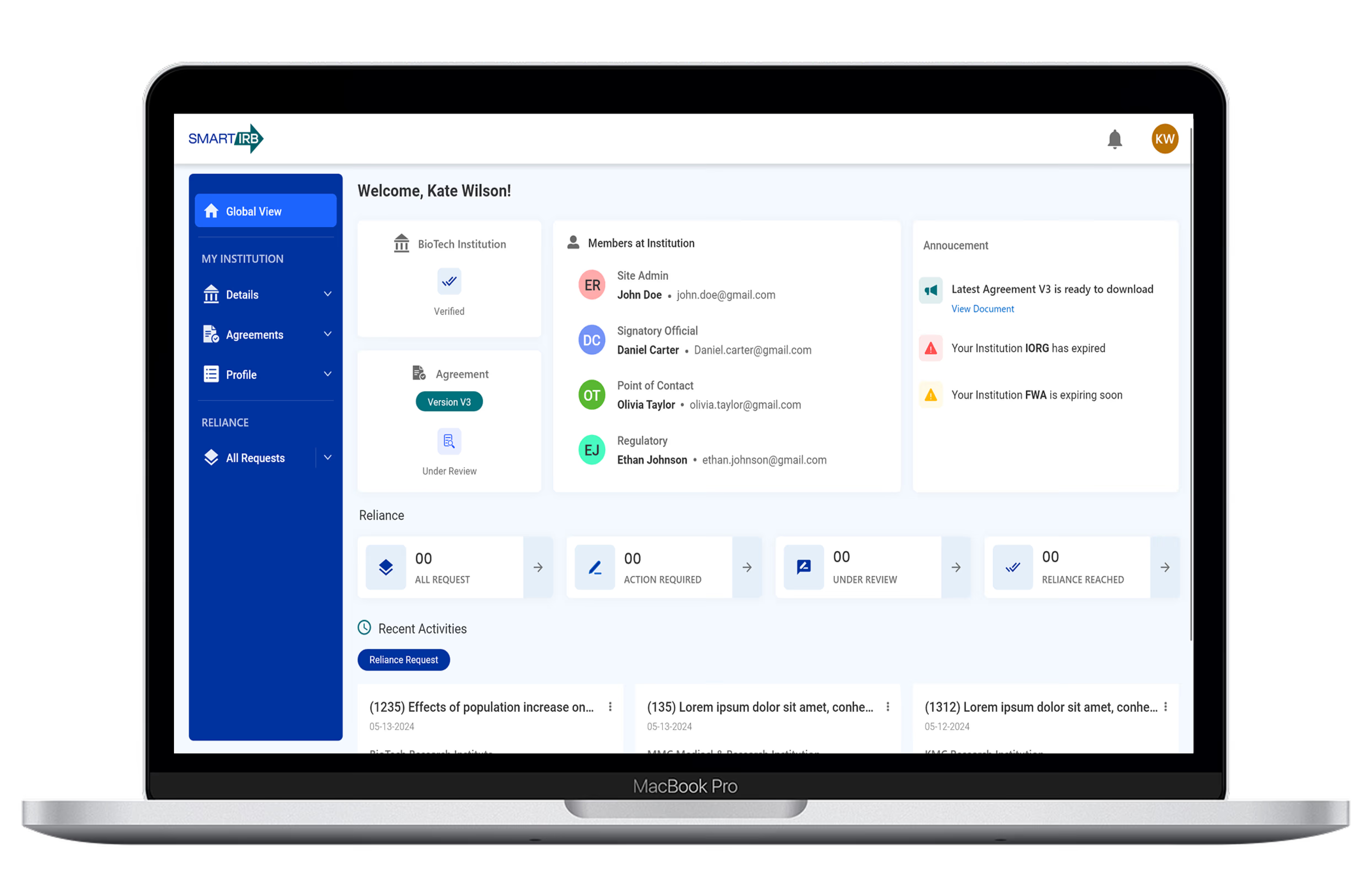
Scientific workflows were fragmented across disconnected tools, creating friction and inefficiencies in high-volume research environments.
Researchers needed a system that supports precision, speed, and clarity at scale.
Core Challenges
Fragmented systems and inconsistent interfaces
Manual, repetitive workflows
Low discoverability of key features
High cognitive load in data-heavy tasks
Limited workflow visibility and traceability
No scalable platform foundation
Design Challenge
How might we unify fragmented scientific tools into a scalable platform that improves workflow efficiency, data clarity, and usability — without compromising scientific rigor?
My Role as UX Design Manager
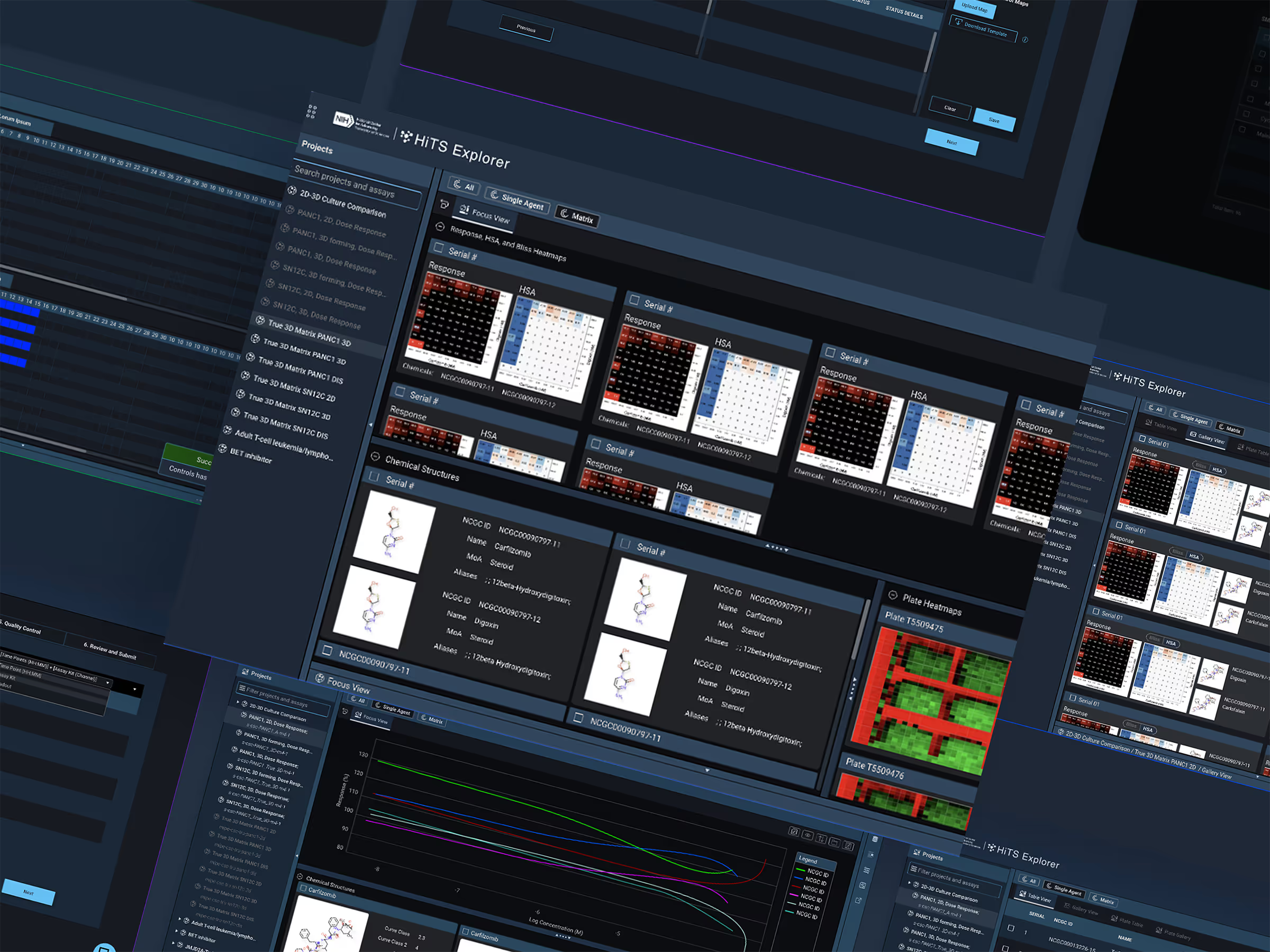
I led the UX strategy and product design across the HiTS platform ecosystem.
Leadership Responsibilities
Owned UX strategy across multi-application platform
Directed workflow architecture and system design
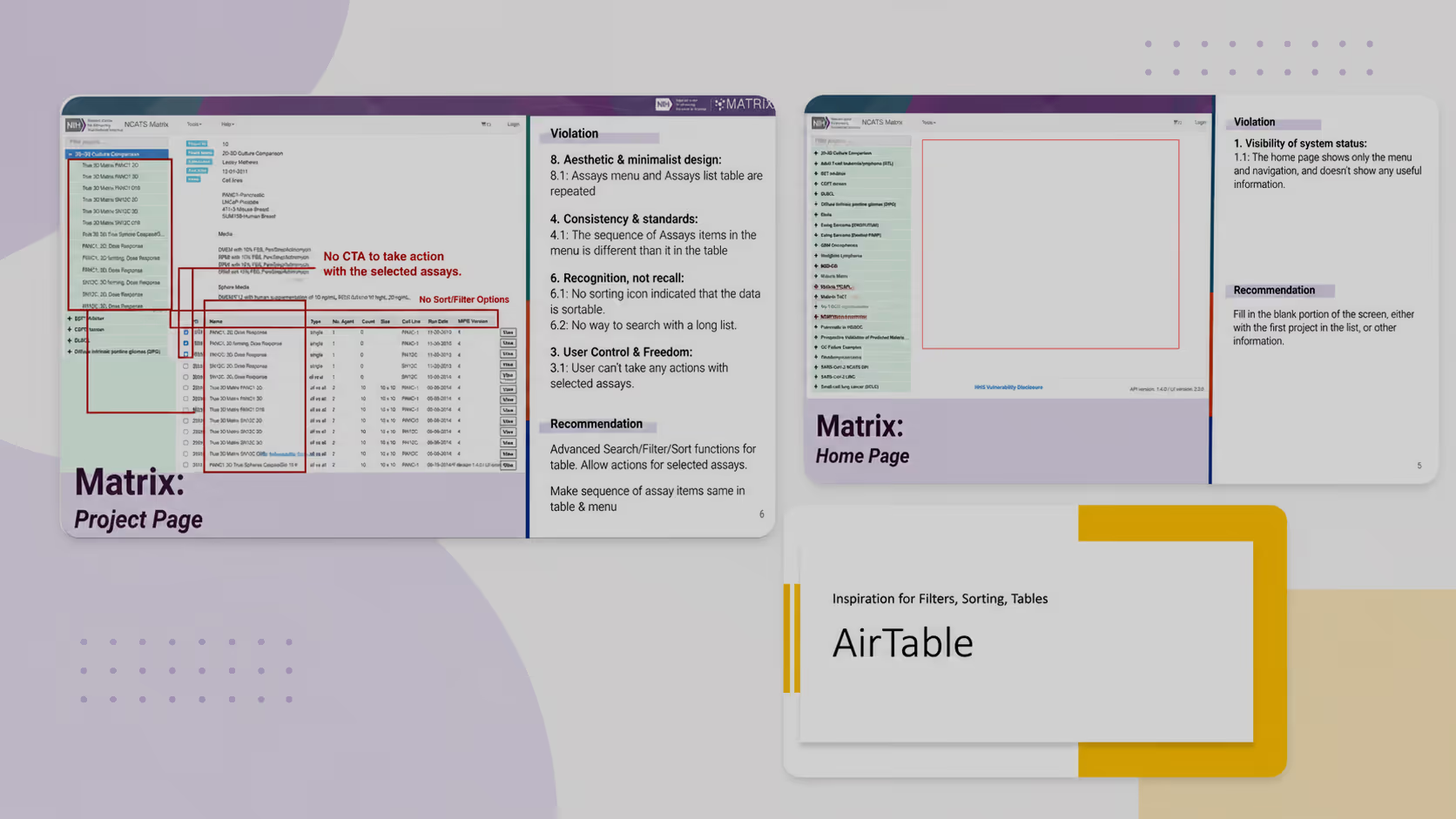
Led heuristic evaluation and discovery
Established scalable design system
Aligned cross-functional teams (science, engineering, stakeholders)
Drove usability improvements across key workflows
Mentored a 7-member UX team (3 Researchers, 4 Designers)
This initiative elevated UX from execution to platform-level product strategy.

Discovery & Research
key findings
01
Poor visibility of system status
02
Inconsistent UI patterns
03
Limited user control and navigation flexibility
04
Challenges with search and filtering
05
Cluttered, non-intuitive layouts
UX Strategy & System Framing
We shifted from tool-based design to workflow-based platform design.
This strategy ensured scalable workflows, reducing complexity and improving consistency.

Strategy 1
Align platform with scientific workflows
Strategy 2
Reduce cognitive load in complex interfaces
Strategy 3
Enable fast search and filtering
Strategy 4
Standardize interactions across tools
Strategy 5
Embed validation and data integrity
Strategy 6
Design for scalability
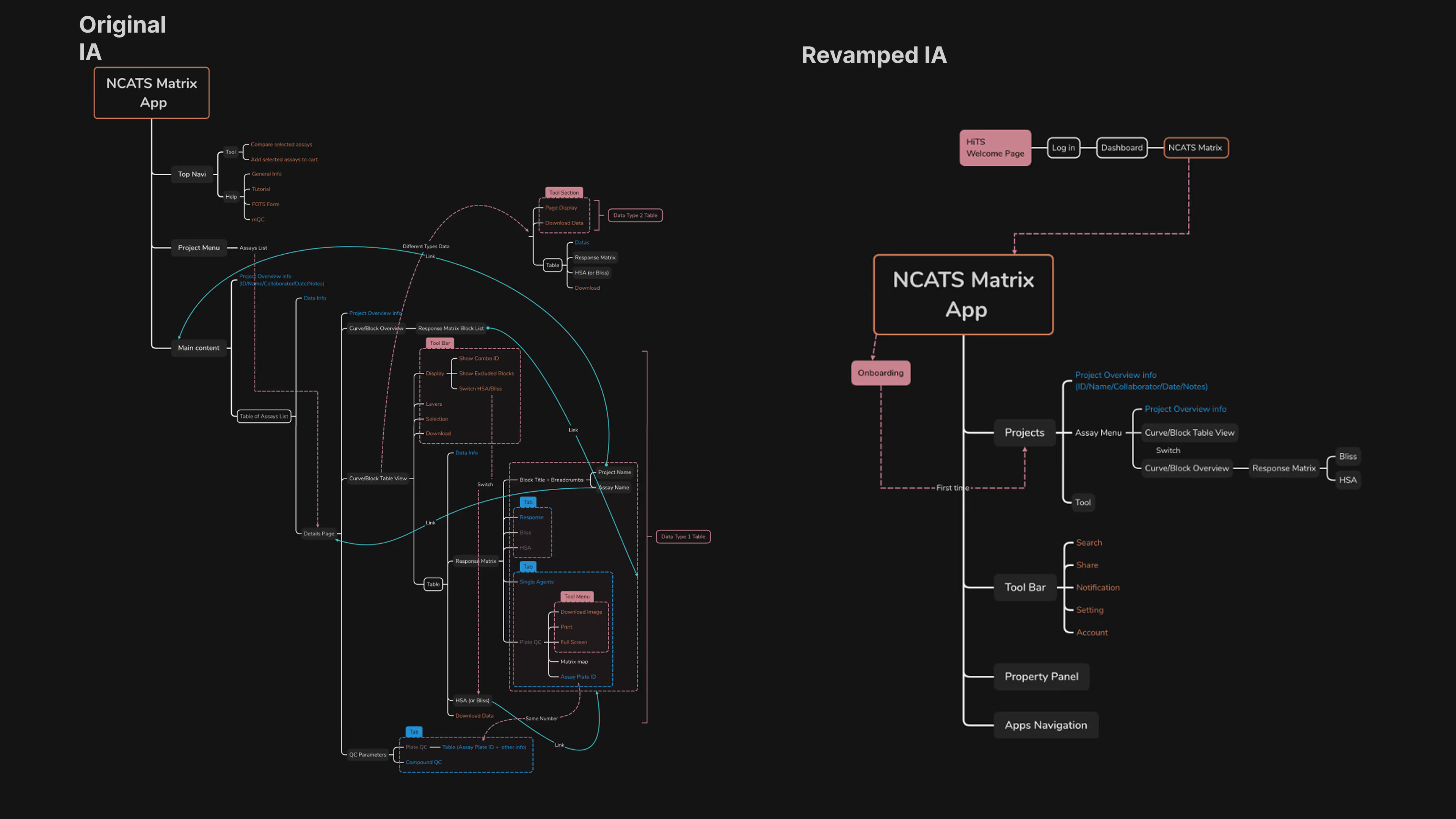
Information Architecture Transformation
We restructured the platform around the screening lifecycle:
Outcomes
~35% reduction in navigation complexity
Clear, task-based workflows
Faster access to critical features
Improved task predictability
Interaction Design & workflow optimization
Before
Multi-step navigation
Hidden actions (e.g., Plate QC buried in menus)
High cognitive load
After
Search-first access
Contextual actions
Reduced steps
Impact
~30% faster task completion
~50% improvement in discoverability
Reduced navigation errors
Design System & Platform Foundation
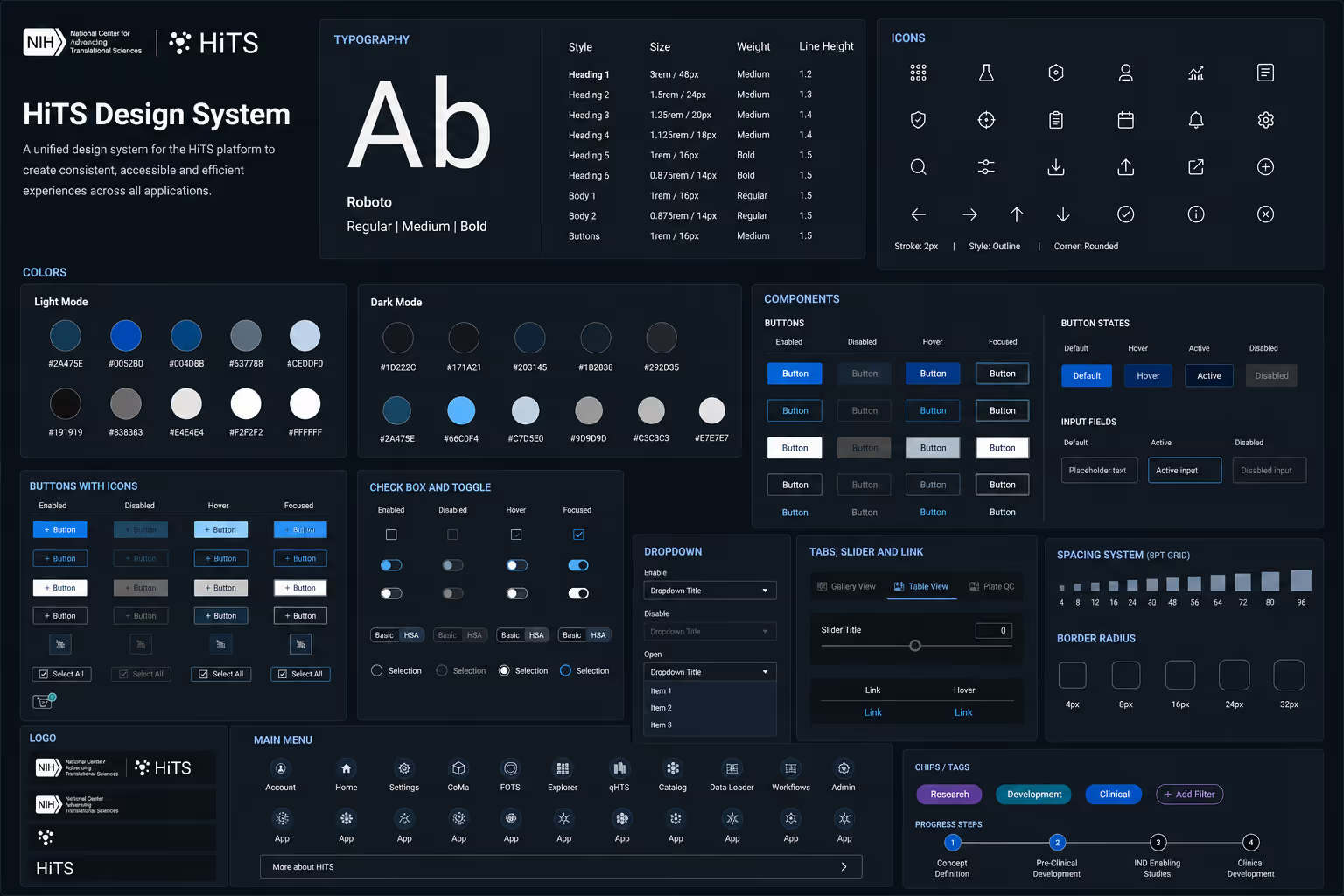
System Contributions
Reusable UI components
Standardized interaction patterns
Data-first interface design
Cross-application consistency
Impact
Reduced design inconsistencies
Improved development efficiency
Enabled scalable product growth
Data Experience & Visualization
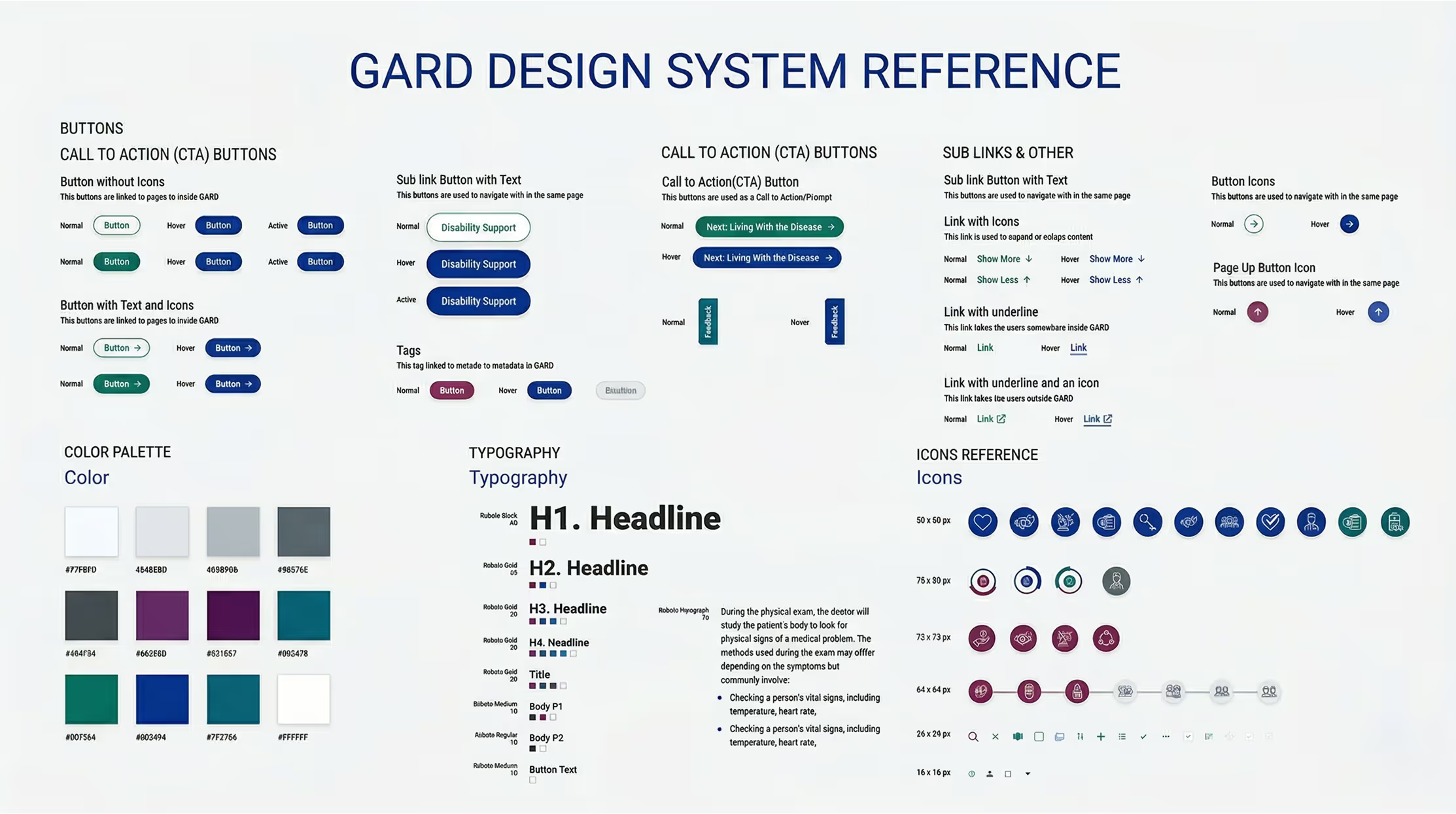
Enhancements
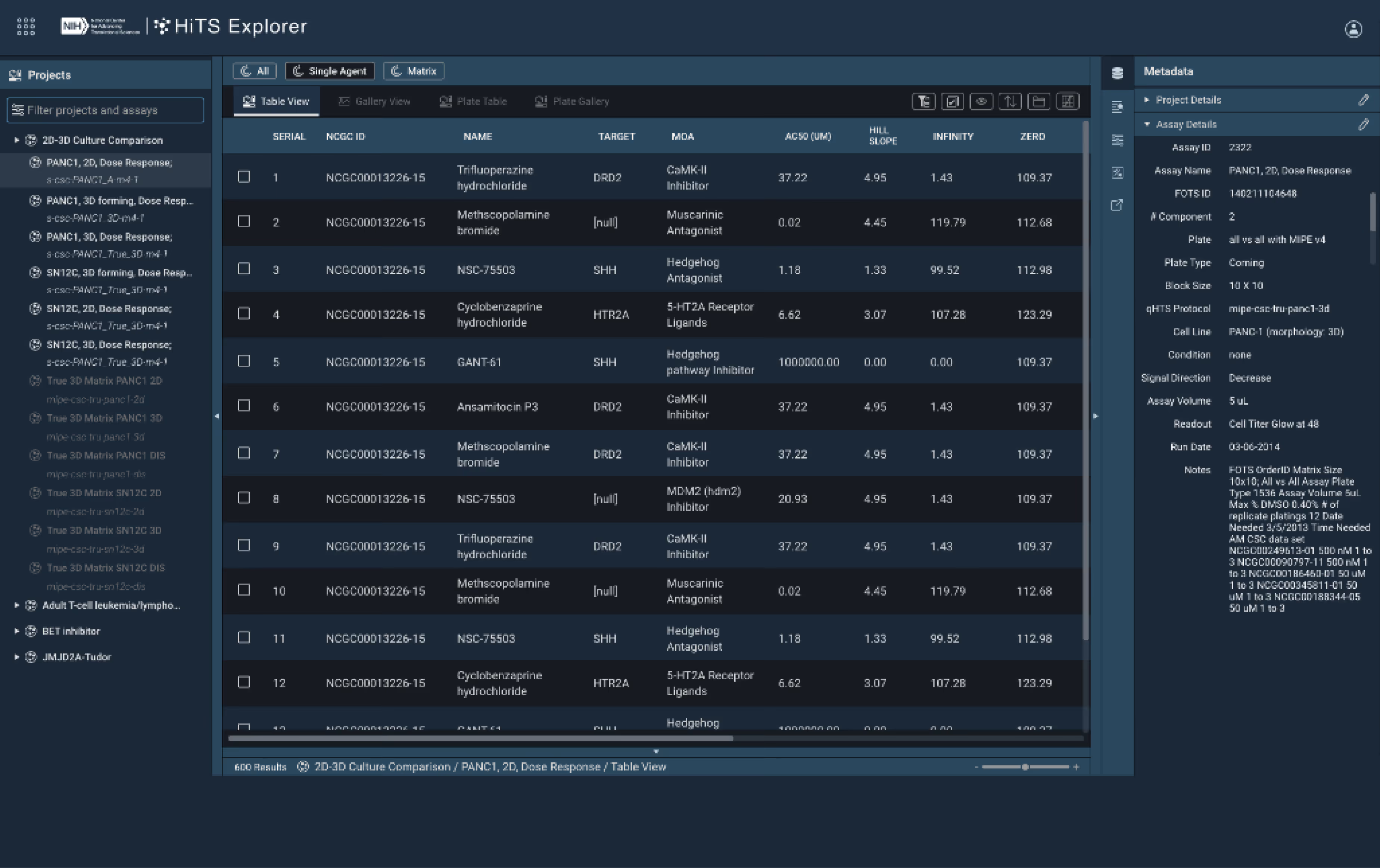
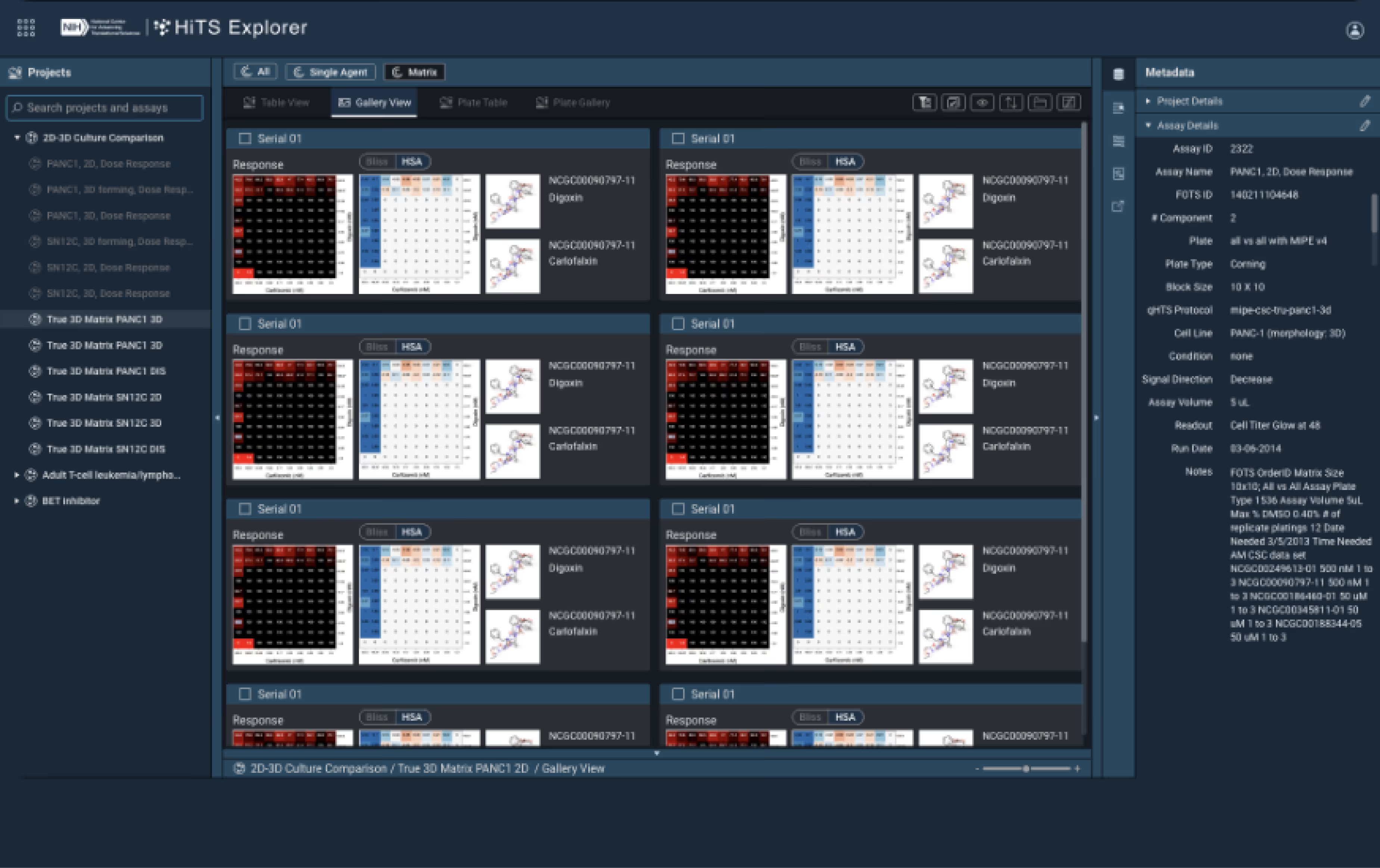
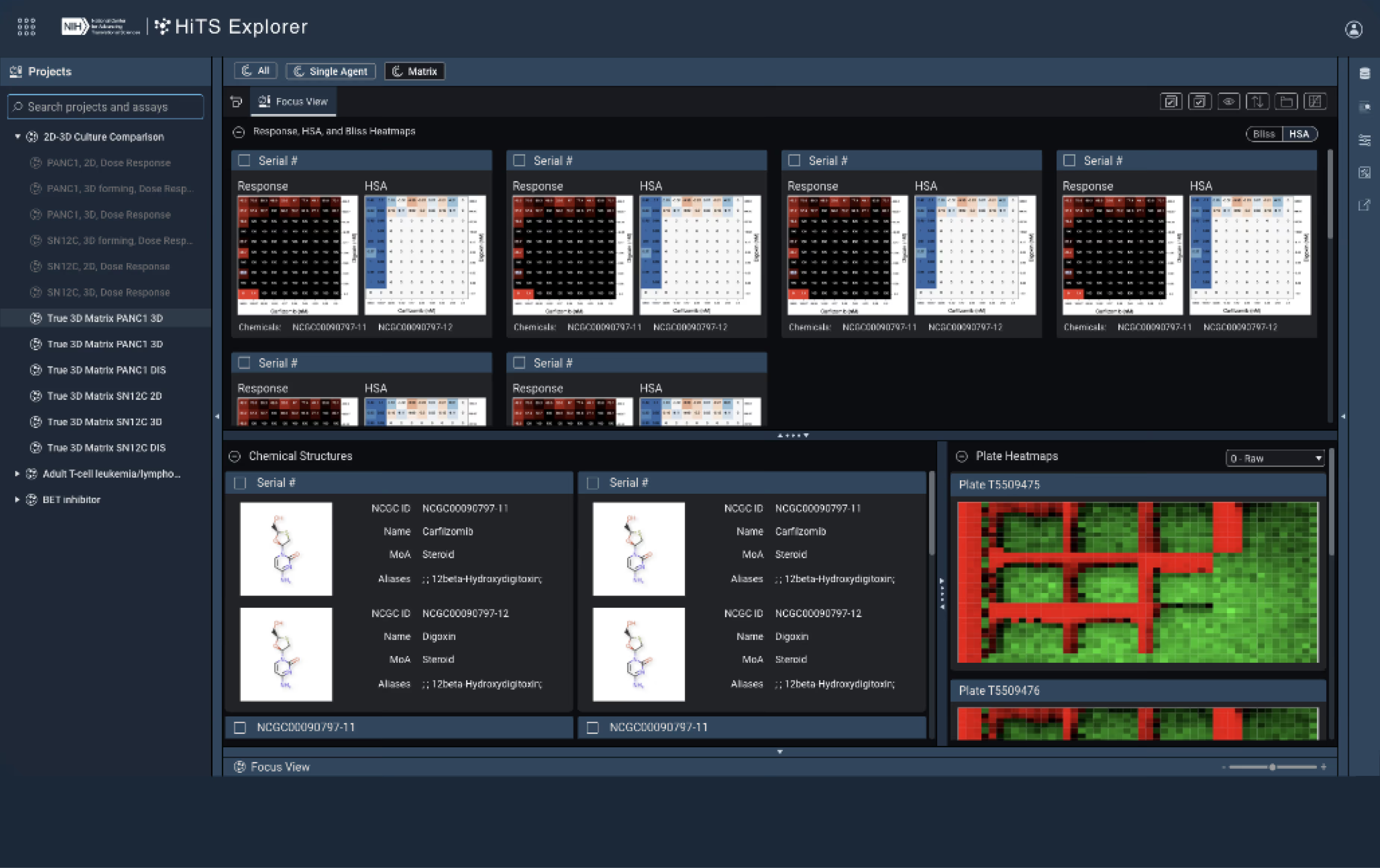
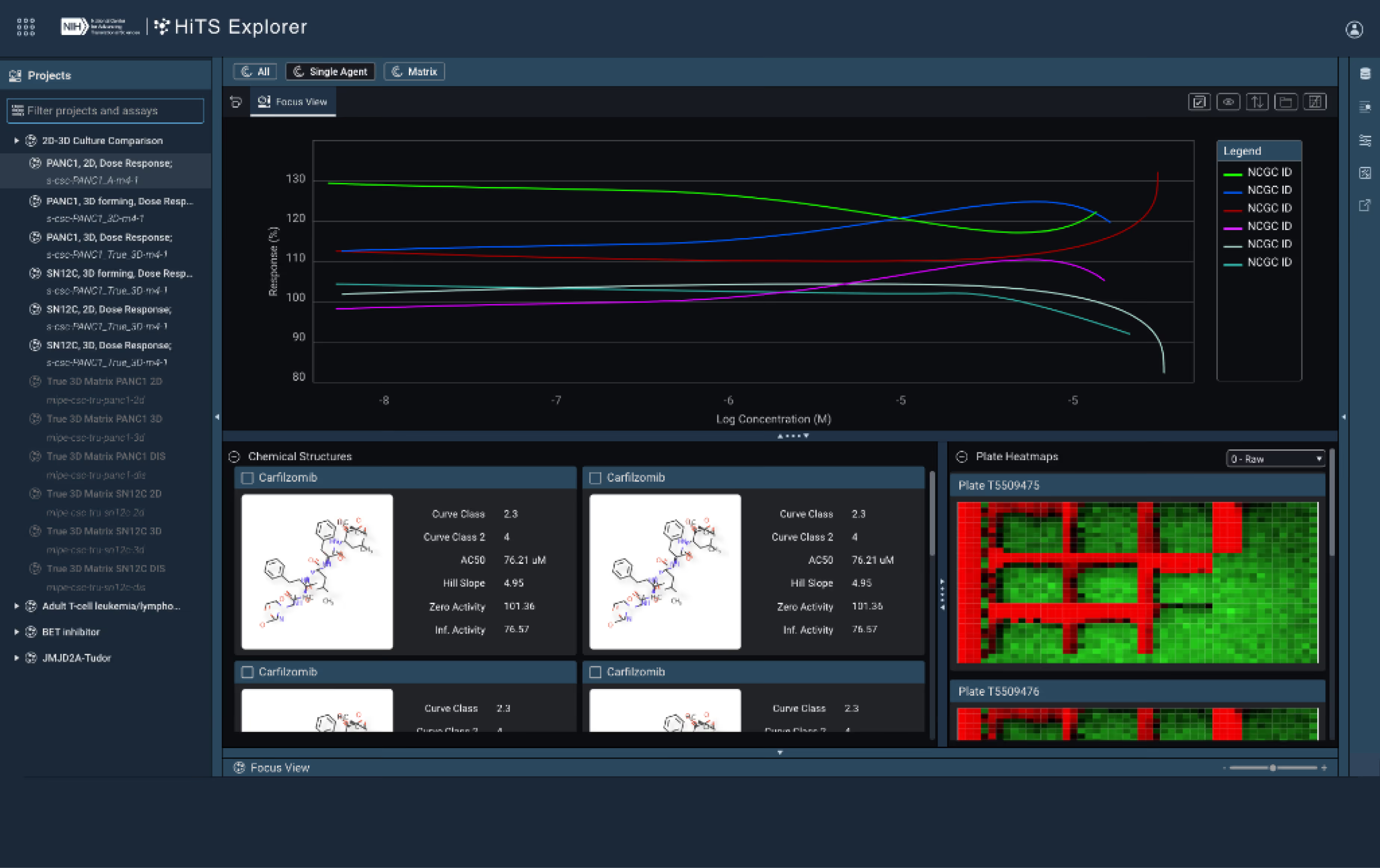
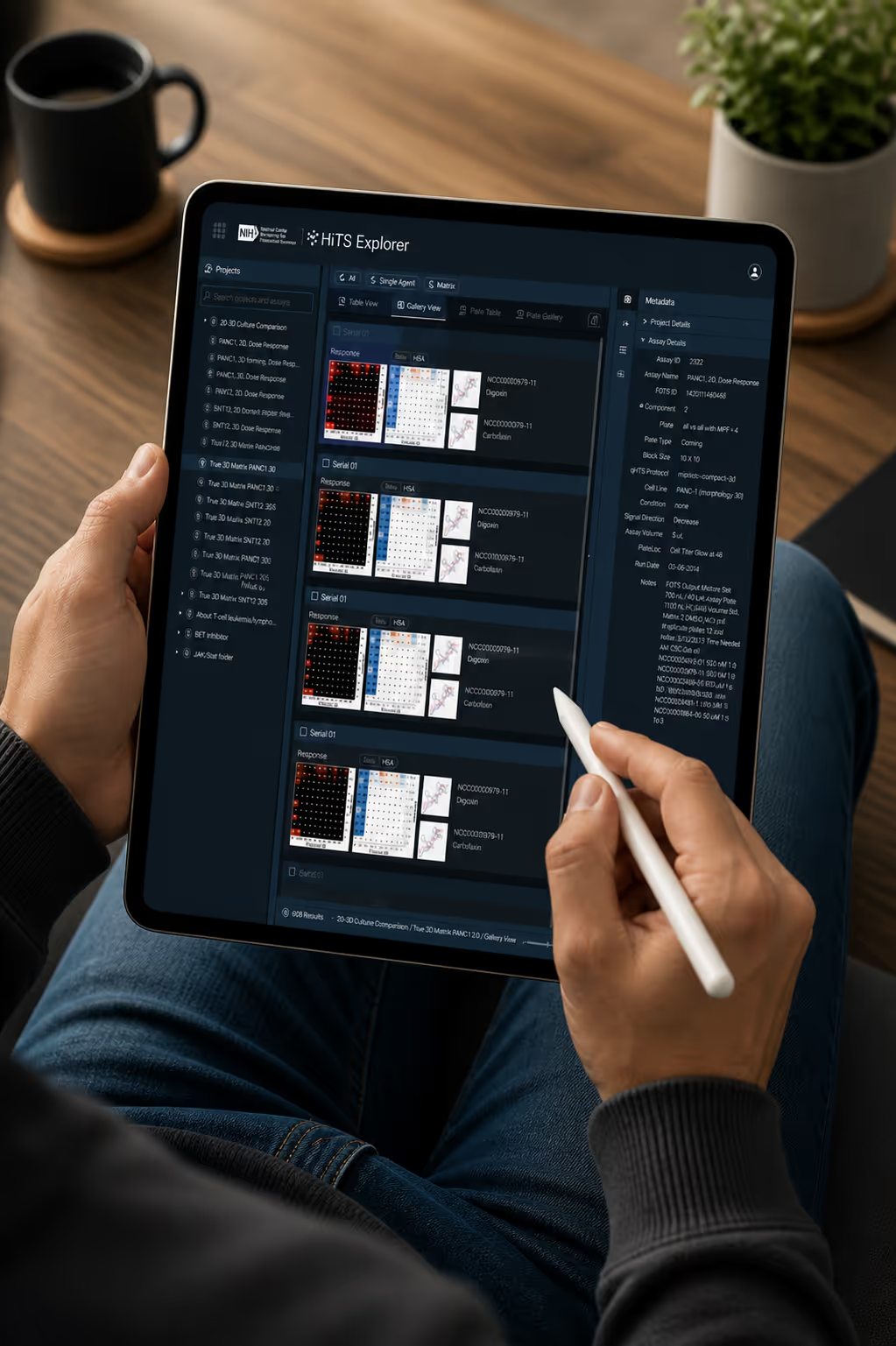
Multi-view interfaces (table, gallery, grid)
Side-by-side comparison views
Heatmaps and response visualization
Advanced filtering and sorting
Impact
Improved data interpretation speed
Reduced cognitive load in analysis tasks
More efficient decision-making workflows
Platform Architecture
(SaaS Model)
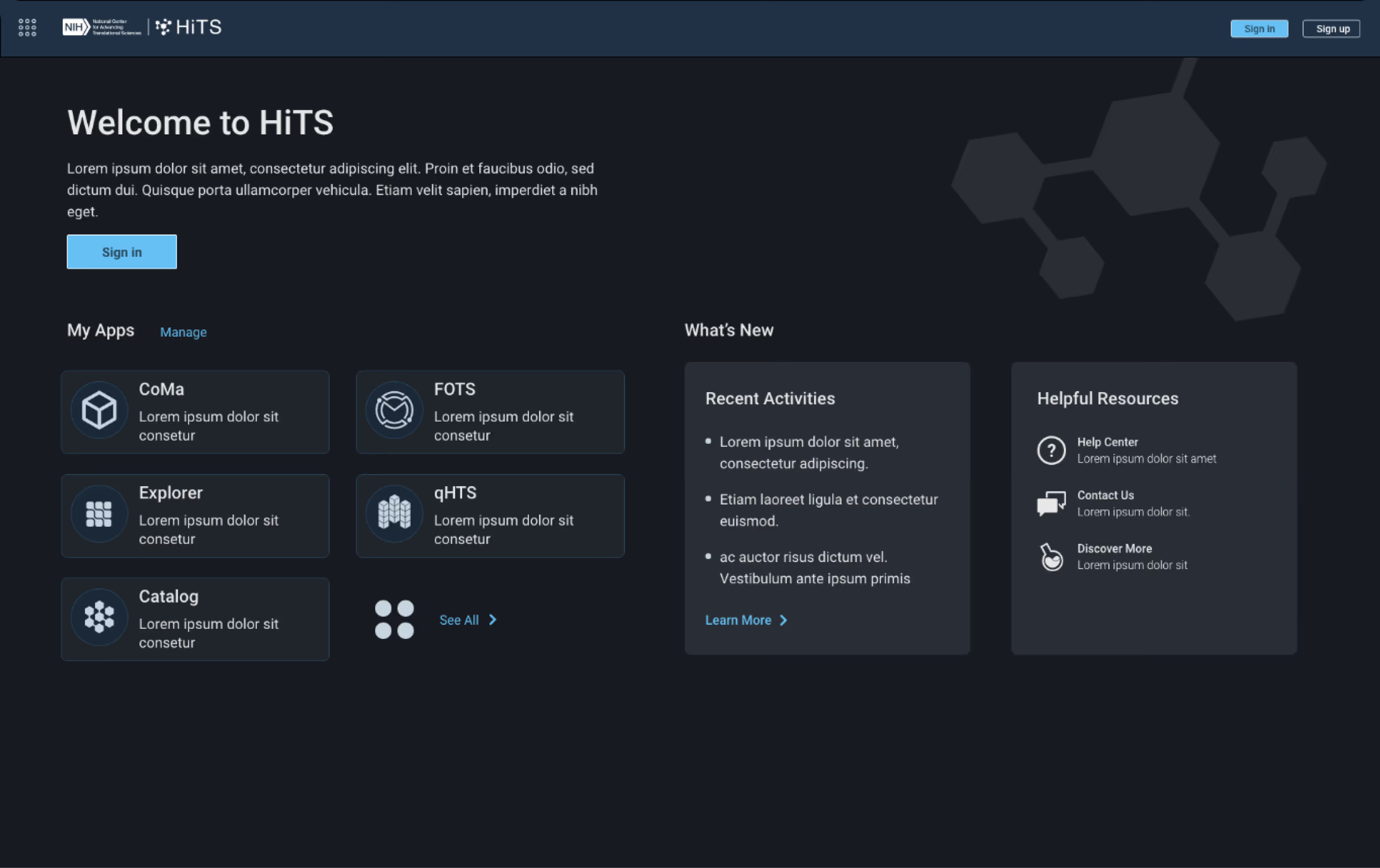
HiTS functions as a modular enterprise platform :
Explorer
Core analysis experience
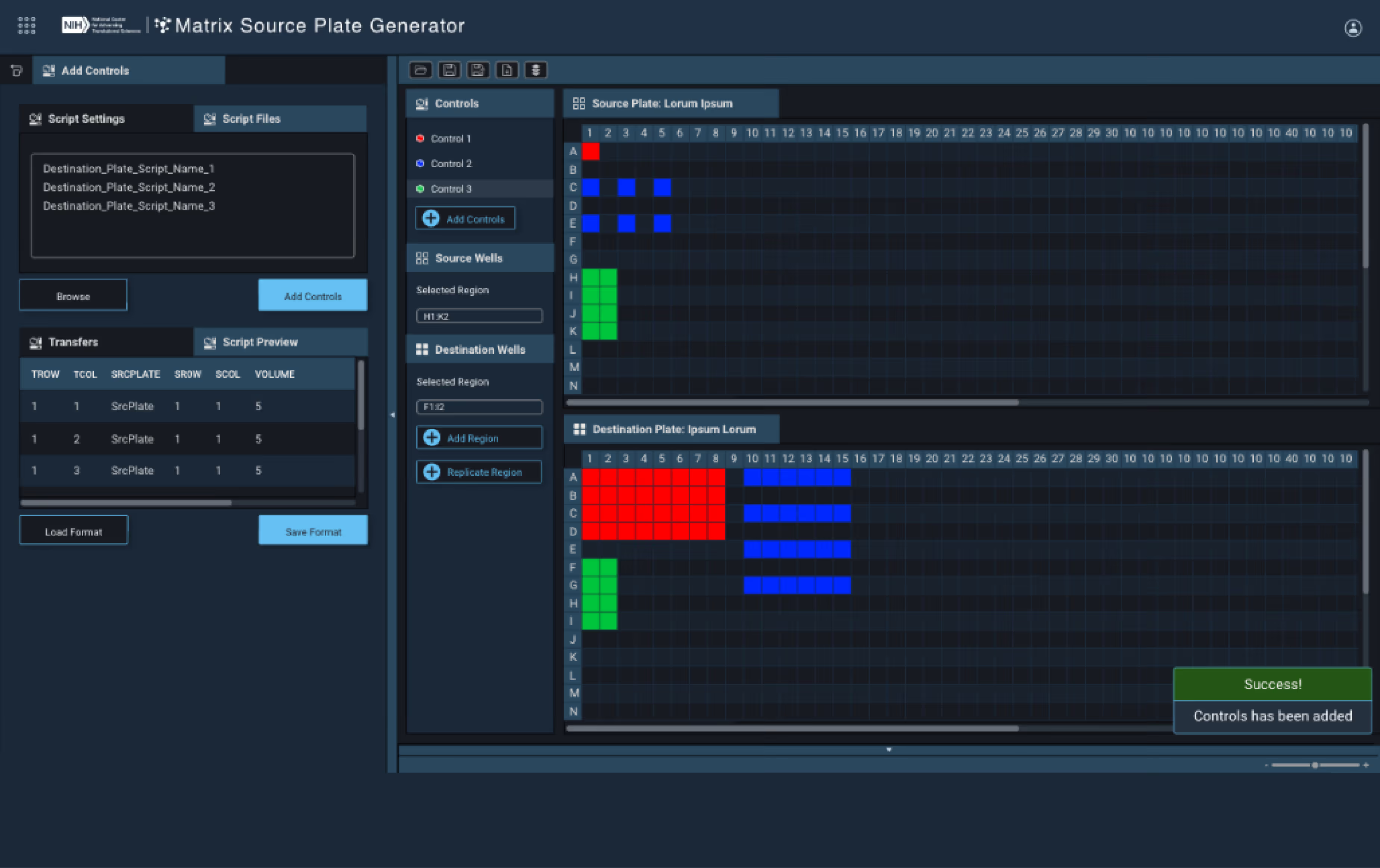
CoMa Tools
Operational tools
Data Loader
Data pipeline
Impact
Enabled modular scalability
Supported future feature expansion
Supported future feature expansion
Outcomes & Organizational Impact
Operational
UX
Platform
What This Work Demonstrates
This project reflects my ability to:
Ability to lead enterprise SaaS platform design
Translate complex workflows into structured systems
Align UX with product and technical architecture
Drive measurable usability improvements
Build scalable design systems across applications


By transforming HiTS into a unified, workflow-driven platform, we reduced operational friction and enabled researchers to focus on advancing drug discovery — not navigating systems.

If you're building complex platforms, modernizing systems, or strengthening UX leadership, I'd welcome connecting.
